








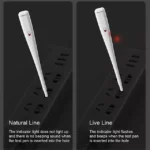



DUKA EM1 Non-Contact Smart Voltage Detection Test Pen – 90–1000V AC Smart Circuit Tester
990.00৳
DUKA EM1 Non-Contact Smart Voltage Detection Test Pen – 90–1000V AC Smart Circuit Tester
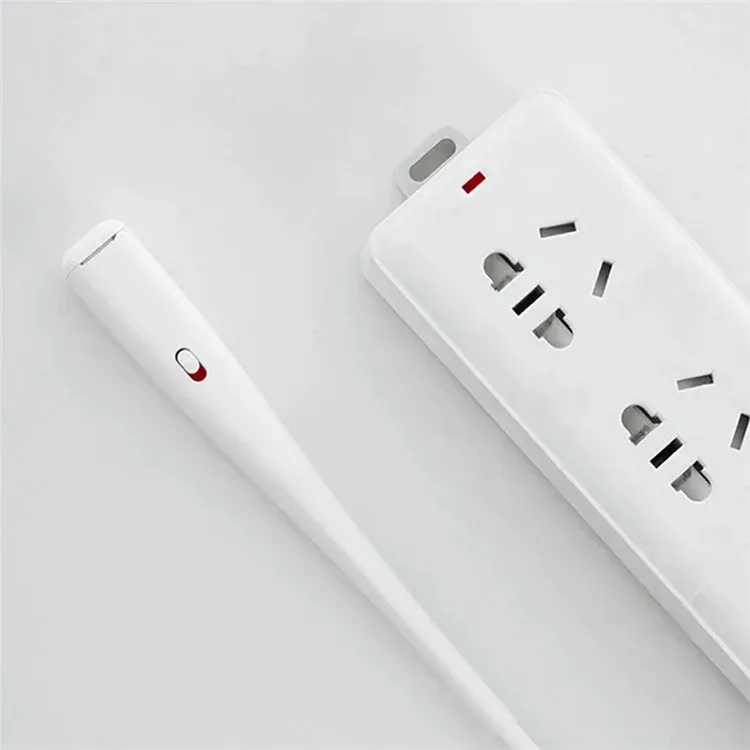
The DUKA EM1 Non-Contact Smart Voltage Detection Test Pen is a compact electrical inspection tool designed to detect the presence of AC voltage without requiring direct contact with an exposed conductor.
Its pen-style design makes it convenient for electricians, technicians, maintenance workers, DIY users and homeowners who need a quick preliminary check for energized wires, sockets and electrical circuits.
The EM1 uses non-contact induction and provides audible and visual alerts when suitable AC voltage is detected. Current product specifications commonly list a detection range of approximately 90–1000V AC at 50/60Hz, although some regional listings specify a narrower 100–380V range, so the exact specification should be confirmed against the supplied version.
Brand Note: The product is primarily identified as DUKA/ATuMan EM1. Some Bangladesh retailers market it as “Xiaomi DUKA” or “Xiaomi Youpin DUKA” because of its Xiaomi ecosystem association.
Common Problems When Checking Electrical Circuits
Checking electrical wiring manually can be inconvenient and potentially dangerous when the user does not know whether a wire or socket is energized.
Common situations include:
- Identifying potentially live wires
- Checking whether a socket may have voltage
- Inspecting electrical cables
- Troubleshooting household circuits
- Checking breakers and electrical connections
- Locating an energized conductor
- Working in dark or difficult-to-reach areas
A non-contact voltage detector provides a convenient preliminary way to check for the presence of AC voltage without directly touching the conductor.
Smart Solution: Non-Contact AC Voltage Detection
The DUKA EM1 uses electromagnetic/non-contact induction to detect AC voltage.
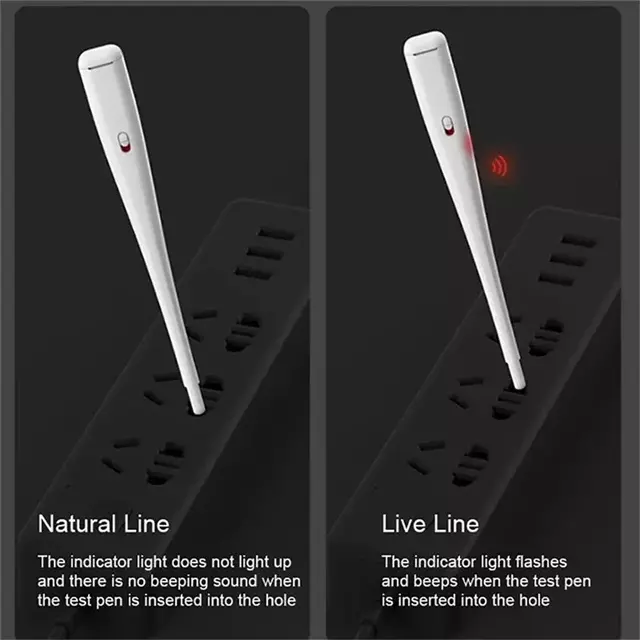
Simply switch on the tester and bring the sensing end close to the electrical source being inspected. When suitable AC voltage is detected, the tester provides an alert through its indicator and buzzer.
This allows users to perform a quick preliminary voltage check without placing the tester’s sensing tip directly against an exposed electrical conductor.
Key Features
1. Non-Contact Voltage Detection
The primary feature of the EM1 is its non-contact AC voltage detection.
The tester can identify the presence of AC voltage through electromagnetic induction, helping users perform preliminary checks without direct electrical contact.
2. Wide AC Voltage Detection Range
Current specifications commonly list approximately 90–1000V AC at 50/60Hz.
This makes the EM1 suitable for a variety of preliminary electrical inspection tasks involving household and commercial AC systems.
Specification note: Some Bangladesh listings instead state 100–380V AC. Because of this regional listing discrepancy, verify the exact voltage range printed on the supplied product/manual before publishing a fixed range for a specific inventory batch.
3. Audible Voltage Alert
When AC voltage is detected, the EM1 can provide an audible alarm.
The buzzer gives users an additional indication without requiring them to continuously watch the indicator light.
4. Visual LED Indicator
The tester also provides a visual indication when voltage is detected.
The combination of sound and light alerts can make preliminary electrical inspection easier in different working environments.
5. Smart Sensitivity Detection
Product listings describe the EM1 as having smart/high-sensitivity detection, designed to respond to different electrical environments.
Actual detection distance and sensitivity can vary depending on voltage, wire position, insulation, surrounding electrical fields and other environmental conditions.
6. Pen-Style Portable Design
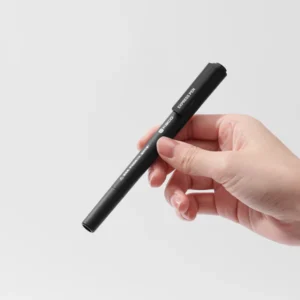
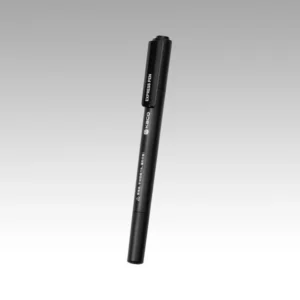
The EM1 measures approximately 148 × 18 × 18mm and weighs around 19g, making it small enough to carry in a pocket, tool pouch or electrician’s toolkit.
7. Battery Powered
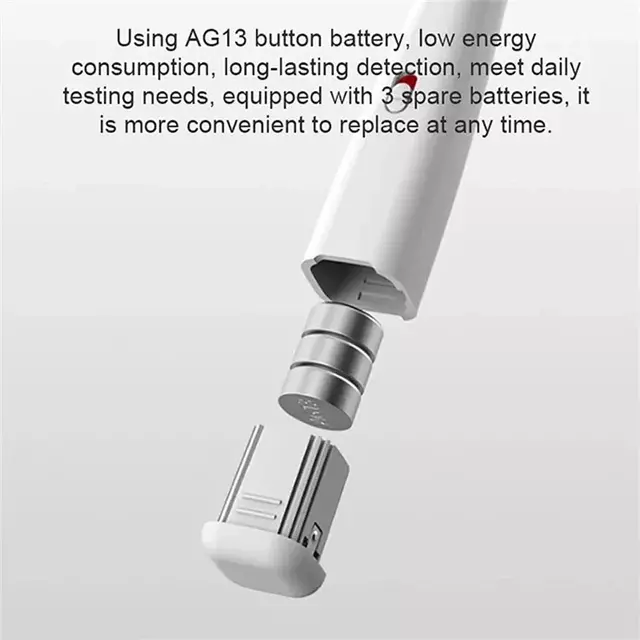
The tester uses AG13 button batteries rather than requiring a charging cable.
This makes it convenient to keep ready for occasional electrical inspections.
8. Compact PC + ABS Construction
The body is commonly specified as PC and ABS, providing a lightweight housing suitable for a portable electrical inspection tool.
9. Built-In Illumination
Some product specifications identify a built-in light/illumination feature, which can be useful when inspecting sockets, wiring and other areas with limited visibility.
10. Low-Power Everyday Operation
The EM1 is designed as a battery-operated tester with replaceable button cells, eliminating the need for external power while carrying out basic voltage-detection checks.
Benefits
- Non-contact AC voltage detection
- Helps identify potentially energized wires
- Approximately 90–1000V AC detection on commonly listed versions
- Audible voltage alarm
- Visual LED indication
- Compact pen-style design
- Lightweight approximately 19g body
- Battery-powered operation
- Easy to carry
- Useful for electricians and technicians
- Suitable for preliminary household electrical checks
- PC + ABS construction
- 50/60Hz AC detection
Perfect For
The DUKA EM1 Non-Contact Smart Voltage Detection Test Pen is suitable for:
- Electricians
- Electrical technicians
- Maintenance workers
- DIY users
- Homeowners performing basic checks
- Workshop users
- Electrical troubleshooting
- Socket inspection
- Cable inspection
- Preliminary live-wire detection
For professional electrical work, the EM1 should be used as a preliminary detection tool, not as the sole instrument for proving that a circuit is safe or de-energized.
Why Choose DUKA EM1?
The biggest advantage of the EM1 is its combination of non-contact detection, compact size and simple sound/light alerts.
Instead of using a conventional contact tester for every preliminary check, you can bring the EM1 near a suitable AC source and look or listen for its detection indication.
Its small 19g body also makes it convenient to keep inside a tool bag or pocket.
DUKA EM1 vs Traditional Contact Test Pen
| Feature | DUKA EM1 | Traditional Contact Tester |
|---|---|---|
| Non-Contact Detection | Yes | Usually No |
| Direct Wire Contact Required | No | Usually Yes |
| AC Voltage Detection | Yes | Yes |
| Visual Alert | Yes | Depends |
| Audible Alert | Yes | Usually No |
| Pen-Style Design | Yes | Yes |
| Battery Powered | Yes | Varies |
| Approx. Weight | 19g | Varies |
| Preliminary Live-Wire Detection | Yes | Yes |
| Professional Meter Replacement | No | No |
How to Use DUKA EM1
Step 1: Inspect the Tester
Check the tester body and sensing tip for visible damage before use.
Do not use a damaged electrical testing instrument.
Step 2: Install the Batteries
Install the appropriate AG13 button battery/batteries according to the supplied product configuration and polarity markings. Battery configuration can vary between listings, so follow the included instructions.
Step 3: Switch On the Tester
Activate the EM1 using its power switch.
Step 4: Approach the Electrical Source
Bring the sensing end close to the wire, socket or electrical component you want to inspect.
Do not intentionally touch exposed conductors with the tester or your hand.
Step 5: Observe the Indicator
If suitable AC voltage is detected, the tester should provide its visual and/or audible alert.
Step 6: Confirm Before Electrical Work
A non-contact tester is intended for preliminary detection. If electrical work is required, isolate the circuit and use an appropriately rated test instrument and established electrical safety procedure to verify the circuit condition.
Use Cases
Checking Wall Sockets
Use the EM1 for a preliminary indication of whether AC voltage may be present around a suitable socket.
Identifying Live Wires
The non-contact sensing function can help identify potentially energized conductors without direct contact.
Electrical Maintenance
Electricians and technicians can keep the compact tester available for quick preliminary inspections.
Home Electrical Checks
DIY users can use the EM1 as an initial voltage-presence detector around suitable household electrical installations.
Workshop Troubleshooting
The pen-style design is convenient for carrying around workshops and maintenance areas.
Dark or Tight Areas
The compact body and listed illumination feature can help when inspecting areas where visibility is limited.
Cleaning & Maintenance
To keep the DUKA EM1 ready for use:
- Keep the tester dry.
- Wipe the exterior with a soft, dry cloth.
- Keep the sensing tip free from dirt and contamination.
- Remove the batteries if the tester will be stored for a long period.
- Replace weak batteries when detection performance becomes unreliable.
- Do not immerse the tester in water.
- Do not open or modify the internal electronics.
- Store it away from excessive heat and moisture.
Important Usage Tips
- Never treat a non-contact voltage detector as proof that a circuit is safe.
- Always follow appropriate electrical safety procedures.
- Use properly rated test equipment when confirming a circuit is de-energized.
- Do not use the tester if the housing is cracked or damaged.
- Do not deliberately touch exposed live conductors.
- Keep the tester away from water.
- Detection distance can vary depending on wiring, insulation and surrounding electrical fields.
- Do not assume that no alarm means that a circuit is safe.
- When performing electrical work, isolate power according to appropriate procedures before touching conductors.
- Follow the manufacturer’s instructions supplied with the exact EM1 version.
Safety Warning: A non-contact voltage tester detects the possible presence of AC voltage; it does not prove the absence of dangerous voltage. False-negative or false-positive indications can occur depending on installation and environmental conditions. Use a properly rated contact meter/test instrument and appropriate safety procedures when electrical safety must be confirmed.
Product Specifications
| Specification | Details |
|---|---|
| Brand | DUKA / ATuMan |
| Product Name | EM1 Non-Contact Smart Test Pen |
| Model | EM1 |
| Product Type | Non-Contact AC Voltage Detector |
| Detection Method | Non-Contact Induction |
| Common Detection Range | Approx. 90–1000V AC* |
| Frequency | 50/60Hz |
| Alarm | Audible + Visual |
| Material | PC + ABS |
| Battery | AG13 Button Battery* |
| Dimensions | Approx. 148 × 18 × 18mm |
| Weight | Approx. 19g |
| Operating Temperature | 0–40°C |
| Design | Pen-Style |
| Illumination | Available on listed versions |
| Origin | China |
*Specifications vary between regional/retailer listings. Some listings specify 100–380V AC and different AG13 battery quantities. Verify the exact specification printed on the supplied EM1 version before publishing a fixed voltage range or battery quantity.
What’s in the Box?
Typical package contents may include:
- 1 × DUKA/ATuMan EM1 Non-Contact Test Pen
- Batteries or spare batteries depending on package version
- 1 × User Manual
- 1 × Product Packaging
Package contents can vary by seller and regional version. Some listings specifically mention spare AG13 batteries, while others list only the tester and documentation.
Who Should Buy This Product?
Choose the DUKA EM1 Non-Contact Smart Voltage Detection Test Pen if you want:
- A compact AC voltage detector
- Non-contact electrical inspection
- A portable electrician tool
- Audible and visual voltage alerts
- A lightweight pen-style tester
- Battery-powered operation
- A quick preliminary live-wire detector
- A tool for home, workshop or professional electrical environments
If you need precise voltage measurements, current measurements, resistance testing or professional circuit verification, choose an appropriately rated multimeter or professional electrical tester instead.
Why Buy from AIYOZON?
When purchasing the DUKA EM1 Non-Contact Smart Voltage Detection Test Pen from AIYOZON, you can enjoy:
- Clear product specifications
- Compatibility and safety information
- Convenient online ordering
- Carefully selected electronics and tools
- Customer support
- Secure packaging
- Delivery support across Bangladesh
Frequently Asked Questions
What is the DUKA EM1 used for?
The DUKA EM1 is a non-contact AC voltage detector designed for preliminary identification of potentially energized wires, sockets and electrical circuits.
Does the DUKA EM1 require direct contact?
No. It is designed to detect AC voltage using non-contact induction.
What voltage can the DUKA EM1 detect?
Many current specifications list approximately 90–1000V AC, while some regional listings specify 100–380V AC. Check the exact version before relying on a particular voltage range.
Does the EM1 have an alarm?
Yes. Current specifications identify sound and light alerts for voltage detection.
What battery does it use?
The EM1 is commonly listed with AG13 button batteries. The exact number of batteries varies between listings/package versions, so check the supplied unit.
Is the DUKA EM1 rechargeable?
It is generally listed as battery powered with replaceable AG13 button cells, rather than USB rechargeable.
Is it suitable for electricians?
Yes. Its compact design and non-contact detection make it useful for electricians and technicians for preliminary voltage-presence checks. It should not replace properly rated professional test equipment when circuit safety must be confirmed.
Can homeowners use it?
Yes. It can be useful for basic preliminary electrical checks around suitable household AC installations. Users should follow electrical safety procedures and avoid working on live circuits.
Is it a multimeter?
No. The DUKA EM1 is a voltage-presence detector, not a full multimeter. It does not replace equipment used for precise voltage, current, resistance or continuity measurements.
Is the DUKA EM1 a Xiaomi product?
The product is commonly sold as Xiaomi Youpin DUKA/ATuMan EM1 in Bangladesh and other markets, but the actual product brand is generally identified as DUKA/ATuMan. Retailer branding is inconsistent.
What is the size of the DUKA EM1?
The commonly listed dimensions are approximately 148 × 18 × 18mm, with a weight of approximately 19g.
Final Verdict
The DUKA EM1 Non-Contact Smart Voltage Detection Test Pen is a compact and convenient tool for preliminary AC voltage detection.
Its non-contact sensing, approximately 90–1000V AC detection on commonly listed versions, sound and light alerts, battery-powered operation and lightweight 19g pen-style design make it useful for electricians, technicians, DIY users and homeowners.
The most important point is safety: the EM1 should be treated as a voltage-presence detector, not a definitive proof-of-dead instrument. When working on electrical systems, always isolate power appropriately and use properly rated professional test equipment when confirming that a circuit is safe.
⚡ Keep Electrical Checks Simple & Safer
- ✔ Non-contact AC voltage detection
- ✔ Approx. 90–1000V AC on commonly listed versions
- ✔ Audible + visual alerts
- ✔ Compact 148 × 18 × 18mm design
- ✔ Lightweight approximately 19g
- ✔ AG13 battery powered
- ✔ 50/60Hz AC detection
- ✔ Ideal for preliminary electrical inspection
- ✔ Useful for electricians, technicians & DIY users














Reviews
There are no reviews yet.